Why the Little Horn in Daniel Creates Confusion
Is the little horn in Daniel one figure or many figures? This question has confused Bible readers for generations. Many believers assume Daniel uses one symbol for one future ruler. However, that assumption creates serious interpretive problems. When we slow down and read Daniel carefully, a clearer picture emerges. Daniel uses similar imagery across different visions, but those visions address different historical periods.

The Last Days according to Jesus: When Did Jesus Say He Would Return?
In the hype of sensational books and movies, one important question is often obscured: What did Jesus believe and teach about the end times and the timing of his return? In his characteristically precise and compelling style, renowned theologian R.C. Sproul points us to the words of Christ Get Yours on Amazon
Because the book of Daniel is highly symbolic, we must read it with care. We must respect context, audience, and historical setting. Otherwise, we risk forcing later ideas into earlier texts. Therefore, this study examines Daniel 7, Daniel 8, and Daniel 11 side by side. We will see how each chapter uses similar language but applies it differently. As a result, we gain clarity instead of confusion.
From a partial preterist perspective, Daniel’s visions were meaningful to their original audience. They were not written primarily for modern speculation. Instead, they explained how God ruled over real kingdoms and real events. When we understand that, the little horn in Daniel becomes far less mysterious.
How Apocalyptic Symbolism Works in Daniel
Before examining specific chapters, we must understand how symbolism functions in Daniel. Apocalyptic literature uses vivid images to communicate truth. These images are not random, but they are also not rigid. Therefore, the same symbol can appear in different visions with different meanings.
For example, beasts represent kingdoms in Daniel. Horns represent rulers or powers. However, the same type of symbol does not always point to the same person. Context determines meaning. Because of this, we must resist the urge to merge visions automatically.
Additionally, Daniel’s visions progress over time. Each vision adds detail or narrows focus. Daniel 2 gives a broad outline of empires. Daniel 7 expands that outline with beasts. Daniel 8 narrows attention to specific empires. Daniel 11 then provides detailed historical conflict. Therefore, the structure itself tells us not to flatten everything into one figure.
When readers ignore this progression, confusion follows. However, when we honor it, clarity increases.
The Little Horn in Daniel 7: A Power From the Roman World
Daniel 7 introduces four great beasts rising from the sea. These beasts represent successive empires. Most partial preterists identify them as Babylon, Medo Persia, Greece, and Rome. The fourth beast is different from the others. It is terrifying, strong, and destructive.
The Setting of Daniel 7
Daniel 7 focuses on the fourth beast. This beast has ten horns, which represent rulers or divisions within the empire. Then another horn appears among them. This horn is described as small at first. However, it grows in influence and arrogance.
This little horn in Daniel 7 speaks boastful words. It persecutes the saints. It seeks to change times and law. These traits fit a persecuting power within the Roman world. Therefore, the context places this horn firmly in the Roman era.
Why Daniel 7 Is Not Greek
Some argue this horn refers to Antiochus Epiphanes. However, that view struggles with context. Antiochus arises from the Greek Empire, not Rome. Daniel 7 places the little horn among the ten horns of the fourth beast. That fourth beast is not Greece.
Additionally, Daniel 7 connects the horn’s activity to the coming of the Son of Man. This scene reflects first century realities. Christ’s kingdom confronts the oppressive power of Rome. Therefore, the little horn in Daniel 7 points beyond the Greek period.
Because of this, Daniel 7 cannot be merged with Daniel 8. They describe different historical powers.
The Little Horn in Daniel 8: A Greek Era Ruler
Daniel 8 shifts focus dramatically. Unlike Daniel 7, this chapter explicitly identifies the kingdoms involved. The ram represents Medo Persia. The goat represents Greece. This clarity is intentional.
The Context of Daniel 8
The goat’s large horn represents Alexander the Great. When it breaks, four horns arise. These horns represent the divisions of the Greek Empire. From one of those divisions comes a little horn.
This little horn in Daniel 8 grows toward the south and east. It attacks the holy people. It desecrates the temple. It stops the daily sacrifice. These details match Antiochus IV Epiphanes with remarkable precision.
Why Daniel 8 Cannot Be Roman
The horn in Daniel 8 arises from a Greek division. That alone distinguishes it from Daniel 7. Additionally, its reach is limited geographically. It does not dominate the world. Its oppression is intense but brief.
Furthermore, Daniel 8 focuses heavily on temple events. Antiochus fits this focus perfectly. He desecrated the temple and provoked the Maccabean revolt. Rome did not act in this way during this period.
Therefore, the little horn in Daniel 8 is a Greek era ruler. It is not the same figure as the horn in Daniel 7.
Daniel 11: Historical Expansion, Not a New Horn
Daniel 11 often causes confusion because of its detail. However, it introduces no new symbolic beasts. Instead, it expands earlier visions historically.
The Flow of Daniel 11
Daniel 11 traces conflicts between northern and southern kingdoms. These represent Seleucid and Ptolemaic rulers. The chapter steadily narrows its focus. Eventually, one ruler dominates the narrative.
That ruler aligns with Antiochus Epiphanes. His actions mirror those described in Daniel 8. He desecrates the sanctuary. He opposes the faithful. He exalts himself.
Why Daniel 11 Should Not Be Combined With Daniel 7
Daniel 11 lacks the beast imagery of Daniel 7. It does not describe a horn rising from Rome. Instead, it continues the Greek narrative. Therefore, combining these chapters creates contradictions.
Because Daniel 11 builds on Daniel 8, they should be read together. Daniel 7 stands apart as a broader, later era vision.
Why Similar Imagery Does Not Mean the Same Figure
One major interpretive error comes from assuming identical language means identical fulfillment. Scripture does not operate that way. Pharaoh, Nebuchadnezzar, and Caesar all exalted themselves. Yet they were not the same person.
Similarly, oppressive rulers share traits. They speak arrogantly. They persecute God’s people. They defile sacred things. Therefore, prophetic language naturally overlaps.
However, time markers, geography, and narrative flow separate these figures. When we ignore those factors, confusion follows. When we honor them, the text makes sense.
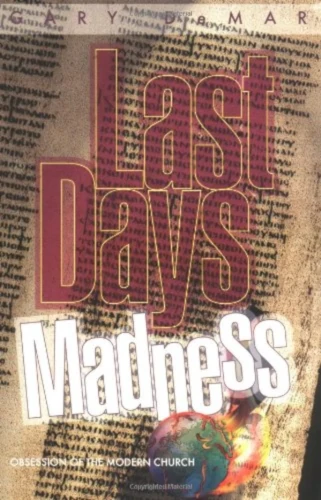
Last Days Madness: Obsession of the Modern Church
DeMar identifies the Beast, the Antichrist, and the Man of Lawlessness and clears the haze regarding Armageddon, the abomination of desolation, the rebuilding of the temple, and the meaning of 666. This is the most thoroughly documented and comprehensive study of Bible prophecy ever written! LDM will be your survival guide and spiritual compass to insure you escape the paralysis of last days madness. Get Yours on Amazon
A Partial Preterist Summary of the Little Horn in Daniel
From a partial preterist perspective, the little horn in Daniel appears in more than one form. Daniel 7 addresses a Roman era persecuting power. Daniel 8 addresses a Greek era ruler. Daniel 11 expands the Greek conflict in detail.
This approach preserves historical fulfillment. It also avoids speculative futurism. Most importantly, it respects the original audience of Daniel.
Closing Thoughts on the Little Horn in Daniel
The little horn in Daniel does not point to one mysterious end time individual. Instead, it reflects how God described different oppressive powers across history. Each vision spoke to real concerns faced by God’s people.
When we read Daniel carefully, fear gives way to confidence. God ruled then, and He still rules now. Therefore, we can study prophecy with clarity and hope.
We encourage readers to continue exploring Daniel chapter by chapter. Internal links to studies on Daniel 7, Daniel 8, and fulfilled prophecy themes will deepen understanding. Scripture rewards patient readers who seek truth humbly.
Discover More in Bible Study Toolbox
Want to study further? Explore our full Eschatology resources at Bible Study Toolbox, where we connect prophecy, Scripture, and history to show how God’s plan unfolds. Each study and outline is designed to help believers grow in understanding and live with confidence in Christ’s promises. Contact us if you need us!