The chapter of 1 Peter 1 opens with a powerful message to scattered believers facing hardship. Peter writes to Christians in Pontus, Galatia, Cappadocia, Asia, and Bithynia. These regions were part of Asia Minor, under Roman rule. Many believers there faced social rejection and growing hostility because of their faith in Jesus.
This letter stands in the early decades of the church. The gospel had spread beyond Jerusalem into Gentile lands. However, with growth came pressure. Therefore, Peter writes to steady their hearts. He reminds them who they are in Christ and what God has done for them.
Within Israel’s larger story, this chapter shows the transition from old covenant identity to new covenant fulfillment. The promises given through the prophets now reach fulfillment in Christ. Because of that, believers are described as chosen exiles. They live in the world, yet they belong to another kingdom.
This outline of 1 Peter 1 traces Peter’s argument step by step. We will examine living hope, refining trials, salvation history, holiness, redemption, and the new birth through the Word.
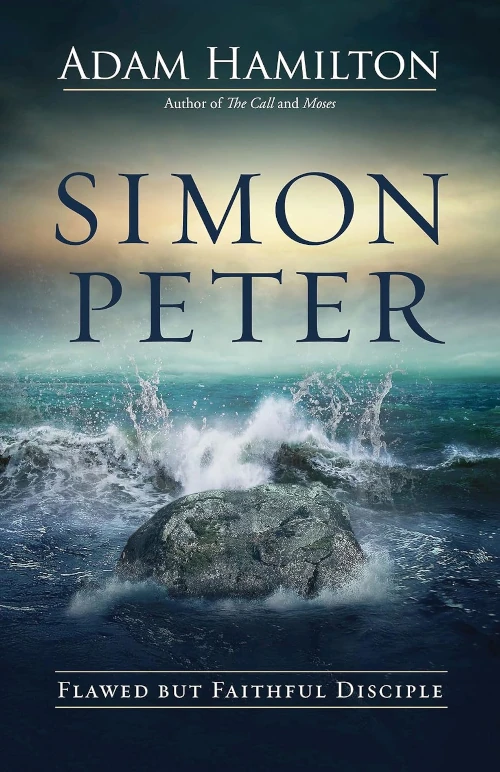
Simon Peter: Flawed but Faithful Disciple
He left everything to follow his teacher and possessed a passion that would change the world. That’s one way to describe Peter. Here’s another: poor, uneducated, quick-tempered, and full of doubts and fears. Doesn’t even sound like the same man.
Chosen Exiles and a Living Hope (1 Peter 1:1–5)
1 Peter, an apostle of Jesus Christ, To those who are elect exiles of the Dispersion in Pontus, Galatia, Cappadocia, Asia, and Bithynia, 2 according to the foreknowledge of God the Father, in the sanctification of the Spirit, for obedience to Jesus Christ and for sprinkling with his blood: May grace and peace be multiplied to you. 3 Blessed be the God and Father of our Lord Jesus Christ! According to his great mercy, he has caused us to be born again to a living hope through the resurrection of Jesus Christ from the dead, 4 to an inheritance that is imperishable, undefiled, and unfading, kept in heaven for you, 5 who by God’s power are being guarded through faith for a salvation ready to be revealed in the last time.
Apostle Peter begins by identifying himself as “an apostle of Jesus Christ.” He writes “to those who are elect exiles of the Dispersion.” The phrase “elect exiles” holds tension. These believers are chosen by God, yet scattered among the nations.
Peter grounds their identity in Jesus. He says they are chosen “according to the foreknowledge of God the Father, in the sanctification of the Spirit, for obedience to Jesus Christ and for sprinkling with his blood.” This language echoes covenant themes from Exodus. The sprinkling of blood recalls the covenant ceremony in Exodus 24. Therefore, Peter frames the church as a covenant people under a new and better covenant.
Immediately, Peter turns to praise. He writes:
“Blessed be the God and Father of our Lord Jesus Christ! According to his great mercy, he has caused us to be born again to a living hope through the resurrection of Jesus Christ from the dead” (1 Peter 1:3, ESV).
The phrase “born again” translates the Greek word anagennaō, meaning to be generated anew. This new birth produces “a living hope.” It is not wishful thinking. It rests on the resurrection of Jesus.
Furthermore, believers inherit “an inheritance that is imperishable, undefiled, and unfading, kept in heaven.” In the Old Testament, inheritance pointed to land. However, Peter lifts the concept higher. The inheritance now centers on eternal life in Christ.
God not only prepares the inheritance. He also guards His people. Peter says believers “by God’s power are being guarded through faith.” Therefore, their security does not rest in political safety. It rests in divine preservation.
Rejoicing Through Refining Trials (1 Peter 1:6–9)
6 In this you rejoice, though now for a little while, if necessary, you have been grieved by various trials, 7 so that the tested genuineness of your faith—more precious than gold that perishes though it is tested by fire—may be found to result in praise and glory and honor at the revelation of Jesus Christ. 8 Though you have not seen him, you love him. Though you do not now see him, you believe in him and rejoice with joy that is inexpressible and filled with glory, 9 obtaining the outcome of your faith, the salvation of your souls.
After describing hope, Peter acknowledges suffering. He does not minimize hardship. He says, “In this you rejoice, though now for a little while, if necessary, you have been grieved by various trials.”
The phrase “various trials” suggests many forms of pressure. These could include slander, economic loss, or family rejection. While persecution had not yet reached empire-wide intensity, social hostility was real.
Peter explains the purpose of these trials. He compares faith to gold tested by fire. Gold perishes, yet faith proves more precious. The testing reveals authenticity. Therefore, suffering serves refinement rather than destruction.
He writes that tested faith “may be found to result in praise and glory and honor at the revelation of Jesus Christ.” The word “revelation” translates apokalypsis, meaning unveiling. One day Christ will be revealed openly. On that day, genuine faith will be vindicated.
Peter highlights something remarkable. These believers love Jesus without having seen Him. He says, “Though you have not seen him, you love him.” Their faith rests on apostolic testimony, not physical sight. Yet the result is joy “inexpressible and filled with glory.”
Finally, Peter states the outcome: “obtaining the outcome of your faith, the salvation of your souls.” Salvation here includes both present reality and future completion. Therefore, their trials cannot cancel their hope.
The Prophets and the Fulfillment of Salvation (1 Peter 1:10–12)
10 Concerning this salvation, the prophets who prophesied about the grace that was to be yours searched and inquired carefully, 11 inquiring what person or time the Spirit of Christ in them was indicating when he predicted the sufferings of Christ and the subsequent glories. 12 It was revealed to them that they were serving not themselves but you, in the things that have now been announced to you through those who preached the good news to you by the Holy Spirit sent from heaven, things into which angels long to look.
Peter now widens the lens to salvation history. He explains that this salvation was long anticipated. He writes, “Concerning this salvation, the prophets who prophesied about the grace that was to be yours searched and inquired carefully.”
The Old Testament prophets spoke of Messiah’s sufferings and glories. However, they did not fully grasp the timing. Peter says they were “inquiring what person or time the Spirit of Christ in them was indicating.” This phrase reveals something important. The Spirit active in the prophets is called “the Spirit of Christ.” Therefore, Christ’s work spans both Testaments.
Peter explains that the prophets served future generations. They were told that they served not themselves but those who would hear the gospel fulfilled. What they predicted has now come through the preaching of the gospel “by the Holy Spirit sent from heaven.”
Even angels long to look into these things. This statement elevates the privilege of believers. The church stands at a climactic point in redemptive history. The promises once shadowed now stand revealed.
Within Israel’s story, this section shows continuity and fulfillment. The gospel does not cancel the prophets. It completes their message. Therefore, 1 Peter 1 anchors Christian hope firmly in Scripture.
Called to Holiness in a New Covenant Identity (1 Peter 1:13–16)
13 Therefore, preparing your minds for action, and being sober-minded, set your hope fully on the grace that will be brought to you at the revelation of Jesus Christ. 14 As obedient children, do not be conformed to the passions of your former ignorance, 15 but as he who called you is holy, you also be holy in all your conduct, 16 since it is written, “You shall be holy, for I am holy. ”
Because salvation has been revealed, Peter shifts to exhortation. He begins with the word “Therefore.” Theology now shapes conduct.
He writes, “preparing your minds for action, and being sober-minded, set your hope fully on the grace that will be brought to you.” The phrase “preparing your minds” translates an image of girding up long garments for work. It calls for alert readiness.
Peter contrasts former ignorance with new obedience. He says, “As obedient children, do not be conformed to the passions of your former ignorance.” Before Christ, believers followed cultural desires. However, new birth demands transformation.
The foundation for holiness rests in God’s character. Peter quotes Leviticus: “You shall be holy, for I am holy.” Under the old covenant, holiness marked Israel as distinct among nations. Now that calling extends to the church.
Holiness does not mean withdrawal from society. Instead, it means moral distinctiveness shaped by God’s nature. Because believers belong to Him, their conduct reflects His character.
Thus, 1 Peter 1 connects identity and ethics. Chosen people must live as chosen people. Covenant status leads to covenant obedience.

Redeemed by Precious Blood (1 Peter 1:17–21)
17 And if you call on him as Father who judges impartially according to each one’s deeds, conduct yourselves with fear throughout the time of your exile, 18 knowing that you were ransomed from the futile ways inherited from your forefathers, not with perishable things such as silver or gold, 19 but with the precious blood of Christ, like that of a lamb without blemish or spot. 20 He was foreknown before the foundation of the world but was made manifest in the last times for the sake of you 21 who through him are believers in God, who raised him from the dead and gave him glory, so that your faith and hope are in God.
Peter deepens the motivation for holy living. He reminds believers that God judges impartially. Therefore, they should conduct themselves “with fear throughout the time of your exile.”
The word “fear” here means reverent awe, not terror. Since believers call God Father, they also respect Him as Judge.
Peter then contrasts former ways with costly redemption. He writes:
“knowing that you were ransomed from the futile ways inherited from your forefathers, not with perishable things such as silver or gold, but with the precious blood of Christ” (1 Peter 1:18–19, ESV).
The term “ransomed” translates lytroō, meaning to release by payment. In Israel’s history, God redeemed His people from Egypt. Now Christ redeems from sin’s bondage.
Peter calls Christ “a lamb without blemish or spot.” This imagery recalls Passover and sacrificial language. Jesus fulfills the pattern of spotless sacrifice.
He explains that Christ “was foreknown before the foundation of the world but was made manifest in the last times.” Redemption was not an afterthought. It was planned in eternity and revealed in history.
Therefore, faith and hope rest in God, who raised Jesus from the dead. Resurrection confirms the value of the ransom.
Born Again Through the Living and Abiding Word (1 Peter 1:22–25)
22 Having purified your souls by your obedience to the truth for a sincere brotherly love, love one another earnestly from a pure heart, 23 since you have been born again, not of perishable seed but of imperishable, through the living and abiding word of God; 24 for “All flesh is like grass and all its glory like the flower of grass. The grass withers, and the flower falls, 25 but the word of the Lord remains forever. ”And this word is the good news that was preached to you.
The chapter closes by returning to the theme of new birth. Peter says believers have purified their souls “by your obedience to the truth.” That obedience flows from hearing and believing the gospel.
As a result, they love one another earnestly. Brotherly love becomes evidence of new life. Peter roots this command in regeneration. He writes, “since you have been born again, not of perishable seed but of imperishable, through the living and abiding word of God.”
The Word functions as the instrument of new birth. Peter quotes Isaiah 40 to highlight contrast. Human life is like grass that withers. However, “the word of the Lord remains forever.”
Isaiah originally comforted Israel in exile. Peter now applies the same promise to scattered believers. Empires fade. Cultural pressures shift. Yet the gospel stands firm.
He concludes, “And this word is the good news that was preached to you.” Therefore, their hope does not depend on political stability. It rests on an unchanging message grounded in God’s character.
This final section ties together endurance, identity, and community. New birth through the Word creates a holy and loving people.
Closing Reflection: The Message in the Larger Story
The chapter of 1 Peter 1 presents a strong theological foundation for believers under pressure. It begins with divine election and ends with enduring Scripture. Along the way, Peter weaves together new birth, living hope, refining trials, prophetic fulfillment, holiness, redemption, and brotherly love.
Within the larger biblical story, this chapter shows how covenant promises reach fulfillment in Christ. The prophets foresaw grace. The Son shed precious blood. The Father raised Him from the dead. The Spirit now applies that salvation to believers.
Therefore, 1 Peter 1 situates suffering within redemptive history. Trials refine faith rather than erase hope. Holiness flows from identity. Redemption rests on eternal purpose. The Word that created Israel now creates a renewed people in Christ.
By anchoring believers in resurrection hope, Peter provides stability in unstable times. His message remains clear. God has caused His people to be born again to a living hope, and that hope endures through every trial.
Continue Exploring Chapter Outlines
This outline is part of our growing collection of Chapter Outlines. You can explore more Bible Outlines or return to the Bible Study Toolbox homepage for outlines, studies, and resources to deepen your understanding of God’s Word. Contact us anytime.