When we study Luke 10, we step into a chapter filled with action, teaching, and personal moments with Jesus. This chapter helps us understand what it means to follow Jesus in everyday life. Luke writes with clarity so we can see the mission and the heart of our Lord. We also see how disciples live when they trust God. Luke 10 opens with Jesus sending out seventy-two messengers. They go into towns that Jesus will soon visit. Their work prepares hearts and shows the urgent need for the gospel. We learn about spiritual authority because Jesus gives them clear instructions. We also see their joy when they return.
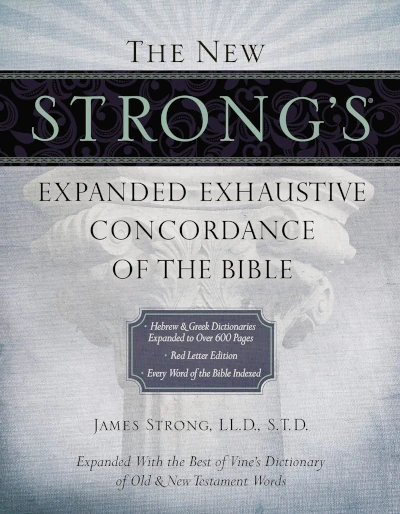
Strong’s Exhaustive Concordance
The New Strong’s Expanded Exhaustive Concordance of the Bible is a valuable tool for pastors, teachers, and students of the Bible. This expanded edition is computer generated for highest accuracy, and the Hebrew and Greek dictionaries have been augmented with definitions from the classic reference work Vine’s Complete Expository Dictionary of Old and New Testament Words. Get Yours on Amazon
Luke 10 also includes the well-known parable of the Good Samaritan. Jesus uses this story to show God’s heart for mercy. It invites us to love people who need help, even when it costs time and comfort. Later, Jesus visits the home of Mary and Martha. We learn the value of listening to Jesus before we run to serve. The chapter helps us grow in mission, compassion, and devotion. As we walk through each part, we grow in our understanding of Jesus and His call.
Jesus Sends Out 72 Messengers (Luke 10:1-16)
1 After this the Lord appointed seventy-two others and sent them on ahead of him, two by two, into every town and place where he himself was about to go. 2 And he said to them, “The harvest is plentiful, but the laborers are few. Therefore pray earnestly to the Lord of the harvest to send out laborers into his harvest. 3 Go your way; behold, I am sending you out as lambs in the midst of wolves. 4 Carry no moneybag, no knapsack, no sandals, and greet no one on the road. 5 Whatever house you enter, first say, ‘Peace be to this house! ’ 6 And if a son of peace is there, your peace will rest upon him. But if not, it will return to you. 7 And remain in the same house, eating and drinking what they provide, for the laborer deserves his wages. Do not go from house to house. 8 Whenever you enter a town and they receive you, eat what is set before you. 9 Heal the sick in it and say to them, ‘The kingdom of God has come near to you.’ 10 But whenever you enter a town and they do not receive you, go into its streets and say, 11 ‘Even the dust of your town that clings to our feet we wipe off against you. Nevertheless know this, that the kingdom of God has come near.’ 12 I tell you, it will be more bearable on that day for Sodom than for that town. 13 “Woe to you, Chorazin! Woe to you, Bethsaida! For if the mighty works done in you had been done in Tyre and Sidon, they would have repented long ago, sitting in sackcloth and ashes. 14 But it will be more bearable in the judgment for Tyre and Sidon than for you. 15 And you, Capernaum, will you be exalted to heaven? You shall be brought down to Hades. 16 “The one who hears you hears me, and the one who rejects you rejects me, and the one who rejects me rejects him who sent me.”
Luke 10:1-16 describes Jesus sending out seventy-two messengers in pairs. They go into every town Jesus plans to visit. Jesus tells them the harvest is large, so they must pray for more workers. He also warns them that the work will not be easy. They go like lambs among wolves. Jesus tells them to depend on God for their needs. They should stay in homes that welcome them and share peace with those families. They should also heal the sick and announce that the kingdom of God has come near.
Jesus prepares them to face rejection because some towns will not receive the message. He tells them to shake the dust from their feet as a warning. This act shows that the people are responsible for their choice. Jesus also gives strong words about several cities. Chorazin, Bethsaida, and Capernaum have seen His works but remain unrepentant. Their judgment will be severe because they knew more. Jesus reminds the seventy-two that whoever listens to them listens to Him. Their mission carries His full authority. This passage teaches us about faith, obedience, and trust. It also shows us the urgency of sharing the gospel with people who need hope and truth. Luke 10 presents mission as a shared calling for all believers.
The 72 Messengers Return (Luke 10:17-24)
17 The seventy-two returned with joy, saying, “Lord, even the demons are subject to us in your name!” 18 And he said to them, “I saw Satan fall like lightning from heaven. 19 Behold, I have given you authority to tread on serpents and scorpions, and over all the power of the enemy, and nothing shall hurt you. 20 Nevertheless, do not rejoice in this, that the spirits are subject to you, but rejoice that your names are written in heaven.” Jesus Rejoices in the Father’s Will 21 In that same hour he rejoiced in the Holy Spirit and said, “I thank you, Father, Lord of heaven and earth, that you have hidden these things from the wise and understanding and revealed them to little children; yes, Father, for such was your gracious will. 22 All things have been handed over to me by my Father, and no one knows who the Son is except the Father, or who the Father is except the Son and anyone to whom the Son chooses to reveal him.” 23 Then turning to the disciples he said privately, “Blessed are the eyes that see what you see! 24 For I tell you that many prophets and kings desired to see what you see, and did not see it, and to hear what you hear, and did not hear it.”
Luke 10:17-24 describes the joyful return of the seventy-two messengers. They report that even demons submit in the name of Jesus. Their joy shows that they saw God’s power at work. Jesus confirms their experience. He says He saw Satan fall like lightning. This image points to the defeat of evil through His authority. Jesus gives them assurance that they have power over the enemy. However, He redirects their joy. He says they should rejoice because their names are written in heaven. This truth reminds us that salvation is our greatest gift.
Jesus then prays with joy. He thanks the Father for revealing truth to humble people rather than the proud. God’s kingdom works through simple faith and open hearts. Jesus also speaks about the close relationship between Himself and the Father. Only the Son fully reveals the Father. This shows us the importance of knowing Jesus. He then tells the disciples how blessed they are. Many prophets and kings longed to see what they see but never did. Their experience is a privilege. Luke 10 helps us understand spiritual victory, humility, and gratitude. We see that God uses willing people to show His power. We also learn that our true joy rests in our relationship with Him.
Parable of the Good Samaritan (Luke 10:25-37)
25 And behold, a lawyer stood up to put him to the test, saying, “Teacher, what shall I do to inherit eternal life?” 26 He said to him, “What is written in the Law? How do you read it?” 27 And he answered, “You shall love the Lord your God with all your heart and with all your soul and with all your strength and with all your mind, and your neighbor as yourself.” 28 And he said to him, “You have answered correctly; do this, and you will live.” 29 But he, desiring to justify himself, said to Jesus, “And who is my neighbor?” 30 Jesus replied, “A man was going down from Jerusalem to Jericho, and he fell among robbers, who stripped him and beat him and departed, leaving him half dead. 31 Now by chance a priest was going down that road, and when he saw him he passed by on the other side. 32 So likewise a Levite, when he came to the place and saw him, passed by on the other side. 33 But a Samaritan, as he journeyed, came to where he was, and when he saw him, he had compassion. 34 He went to him and bound up his wounds, pouring on oil and wine. Then he set him on his own animal and brought him to an inn and took care of him. 35 And the next day he took out two denarii and gave them to the innkeeper, saying, ‘Take care of him, and whatever more you spend, I will repay you when I come back.’ 36 Which of these three, do you think, proved to be a neighbor to the man who fell among the robbers? ” 37 He said, “The one who showed him mercy. ” And Jesus said to him, “You go, and do likewise. ”
Luke 10:25-37 presents the parable of the Good Samaritan. The passage begins when a lawyer tests Jesus. He asks what he must do to inherit eternal life. Jesus asks him what the Law says. The lawyer answers with the two great commands. He must love God and love his neighbor. Jesus agrees and tells him to do these things. The lawyer then asks, “Who is my neighbor?” He wants to limit the command so he can justify himself. Jesus answers with a story that expands his view.
Jesus tells of a man who travels from Jerusalem to Jericho. Robbers attack him and leave him half dead. A priest comes by but does not stop. A Levite also passes and offers no help. Both men should have shown mercy, yet they refuse. Then a Samaritan appears on the road. Samaritans and Jews had deep tension, but the Samaritan feels compassion. He cares for the wounded man with great effort. He cleans the wounds, places the man on his animal, and pays for his stay at an inn. Jesus asks the lawyer which person proved to be a neighbor. The answer is clear. The one who showed mercy. Jesus tells him to go and do likewise. Luke 10 uses this story to show mercy, love, and obedience.
Jesus Visits Mary and Martha (Luke 10:38-41)
38 Now as they went on their way, Jesus entered a village. And a woman named Martha welcomed him into her house. 39 And she had a sister called Mary, who sat at the Lord’s feet and listened to his teaching. 40 But Martha was distracted with much serving. And she went up to him and said, “Lord, do you not care that my sister has left me to serve alone? Tell her then to help me.” 41 But the Lord answered her, “Martha, Martha, you are anxious and troubled about many things, 42 but one thing is necessary. Mary has chosen the good portion, which will not be taken away from her.”
Luke 10:38-41 describes a visit to the home of Mary and Martha. Jesus enters their village, and Martha invites Him into the home. Martha begins serving because she wants to meet every need. Mary sits at Jesus’ feet and listens to His teaching. Martha becomes frustrated because she feels alone in the work. She asks Jesus to tell Mary to help her. Her request shows real concern, yet it also reveals a distracted heart. Jesus responds with gentle correction.
He says, “Martha, Martha, you are anxious and troubled about many things.” We feel His care in these words. He is not angry because service matters. However, He says Mary has chosen the good portion. This means she chose what brings lasting value. Sitting with Jesus matters more than busy activity. Martha’s work is good, but Mary’s focus is better. The scene teaches us about priorities. We must guard our hearts from distractions. We must also listen to Jesus before we serve others. Luke 10 ends with this simple but powerful lesson. It calls us to keep our devotion clear as we follow the Lord.
Closing Thoughts
Luke 10 helps us understand mission, mercy, and devotion. We learn how Jesus sends His followers into the world with purpose and authority. We also see the joy that comes when God works through us. The parable of the Good Samaritan teaches us that love must act. We cannot ignore those who need help. We also learn from Mary and Martha. We must listen to Jesus so our service comes from a place of peace and love. Luke 10 shows us the heart of a true disciple. When we respond to Jesus with trust, humility, and compassion, we grow stronger in our walk. This chapter guides us as we learn to love God and love people with sincerity.
Continue Exploring Chapter Outlines
This outline is part of our growing collection of Chapter Outlines. You can explore more Bible Outlines or return to the Bible Study Toolbox homepage for outlines, studies, and resources to deepen your understanding of God’s Word. Contact us anytime.