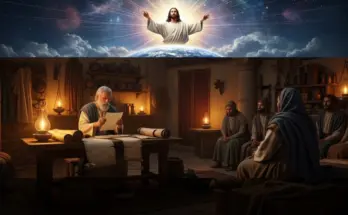
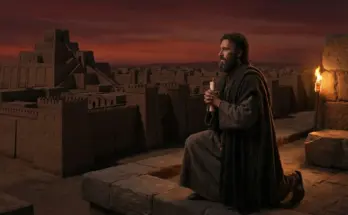
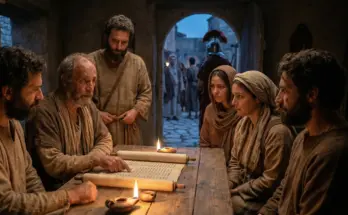
The book of Revelation stands as the final book of the New Testament and the closing chapter of the biblical story. It brings together themes that appear throughout Scripture and reveals how God completes His redemptive plan. Because of its vivid imagery and prophetic language, Revelation often feels mysterious. However, when we read it carefully, we discover that it offers powerful encouragement to believers living in difficult times.
Revelation appears at a moment when the early church faced intense pressure from the Roman Empire. Many Christians lived under threat because they refused to worship Caesar or participate in pagan practices. Faithfulness to Christ often meant social rejection, economic hardship, and sometimes death. Therefore the spiritual condition of God’s people involved both deep devotion and serious testing.
The central tension in the book revolves around the conflict between the kingdom of God and the rebellious powers of the world. While evil appears strong, Revelation reveals that Christ reigns over history and will ultimately defeat every enemy. Because of this, the tone of the book combines warning with encouragement. It warns believers not to compromise with the world, yet it comforts them with the assurance of Christ’s victory.
Revelation also connects closely to the rest of Scripture. Its imagery draws heavily from the Old Testament, especially the books of Daniel, Ezekiel, Isaiah, and Zechariah. At the same time, it points forward to the completion of God’s plan when Christ reigns fully and God dwells with His people. Therefore the book serves as both a conclusion and a promise.
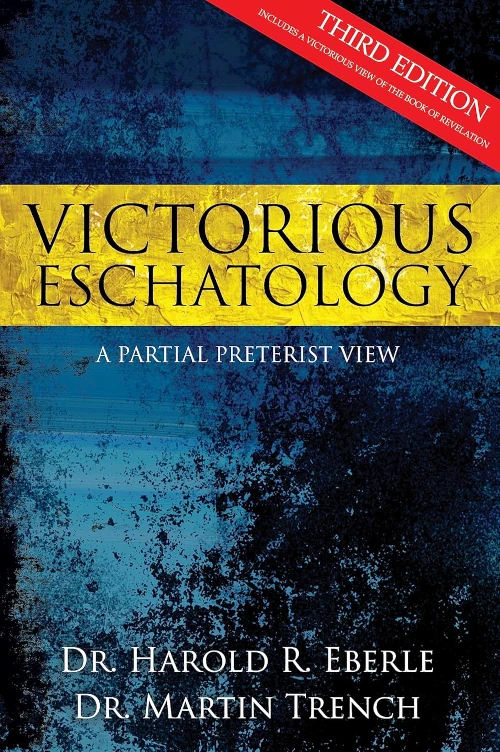
Victorious Eschatology: A Partial Preterist View Paperback
A biblically-based, optimistic view of the future. Co-authored by Harold R. Eberle and Martin Trench. Along with a historical perspective, they present a clear understanding of Matthew 24, the book of Revelation, and other key passages about the events to precede the return of Jesus Christ. Satan is not going to take over this world. Jesus Christ is Lord and He will reign until every enemy is put under His feet!
Writer of the Book of Revelation
The traditional author of the book of Revelation is the apostle John. The book itself identifies the writer simply as “John,” which the early church understood to mean the apostle who followed Jesus and later wrote the Gospel of John and the epistles of 1, 2, and 3 John.
Internal evidence supports this understanding. The writer states that he was exiled on the island of Patmos because of “the word of God and the testimony of Jesus Christ.” Revelation 1:9 says:
“I, John, your brother and partner in the tribulation and the kingdom and the patient endurance that are in Jesus, was on the island called Patmos on account of the word of God and the testimony of Jesus.”
This description fits the life of the apostle John. Early Christian writers also confirmed this tradition, connecting the book to the same John who had walked with Jesus during His earthly ministry.
John’s background deeply shapes the message of Revelation. As one of Jesus’ closest disciples, he had witnessed Christ’s ministry, death, and resurrection. He also spent decades leading and teaching churches in Asia Minor. Because of this pastoral relationship, the book often speaks to believers as a spiritual shepherd addressing his congregations.
John’s personality also appears in the writing. His language is vivid, emotional, and deeply rooted in Scripture. He describes visions filled with symbolic imagery, yet he always points readers back to Jesus. Having personally known Jesus Christ, John presents Him not merely as a teacher or prophet but as the victorious Lord who reigns over all creation.
Date Written
The book of Revelation was written during a period of increasing pressure on the early church. Most scholars place its writing during the first century, although there has been debate about the exact timing.
The book itself describes Christians experiencing tribulation and persecution. Several passages speak about suffering, faithfulness, and endurance. This context suggests a time when believers faced hostility from the Roman world.
John writes from exile on the island of Patmos. Patmos was a small island used by the Romans for banishment. This detail indicates that the author had already suffered punishment for preaching the gospel.
The timing of the book matters because it affects how readers interpret the prophecy. If Revelation was written during a time of persecution, the visions would have provided encouragement and warning for believers living in that environment. The imagery would also connect closely to the historical struggles facing the early church.
During this period, the Roman Empire dominated the Mediterranean world. Roman authority influenced politics, religion, and social life. Many cities in Asia Minor practiced emperor worship, which required citizens to offer loyalty to Caesar as a divine ruler. Christians who refused these practices faced suspicion and hostility.
Spiritually, the church faced two major dangers. External persecution threatened believers with suffering. Internal compromise tempted them to blend Christian faith with surrounding culture. Revelation addresses both pressures. It calls believers to remain faithful to Christ and assures them that God’s purposes will prevail.
To Whom Written
The book of Revelation was written to a specific group of believers. The opening chapter states that the message was sent to seven churches located in the Roman province of Asia. These churches appear in Revelation chapters two and three.
Each congregation faced different circumstances. Some churches showed strong faithfulness to Christ despite persecution. Others struggled with compromise, false teaching, or spiritual complacency. Therefore the message of Revelation addresses both encouragement and correction.
The believers in these churches lived within a pagan culture dominated by Roman authority and Greek religious traditions. Temples, idol worship, and emperor worship filled their cities. Participation in civic life often required honoring Roman gods or the emperor himself. Christians who refused these practices risked exclusion from trade guilds, social networks, and political life.
Many of these believers were relatively new to the Christian faith. They needed instruction and encouragement as they learned how to follow Christ in a hostile environment. Revelation speaks directly to their situation by reminding them that Jesus holds authority over kings and kingdoms.
Because the audience lived under cultural pressure, the tone of the book becomes urgent and pastoral. Christ repeatedly calls His people to overcome and remain faithful. Each message to the churches includes both warnings and promises.
Although Revelation addresses these seven churches specifically, its message applies broadly to the church throughout history. Believers in every generation face the temptation to compromise with worldly systems. Therefore the lessons of Revelation remain relevant wherever Christians seek to remain faithful to Christ.
Purpose of the Book of Revelation
The book of Revelation was written to reveal Jesus Christ and strengthen believers during times of suffering and pressure. The opening verse clearly states the purpose.
“The revelation of Jesus Christ, which God gave him to show to his servants the things that must soon take place.” (Revelation 1:1)
The word translated “revelation” comes from the Greek word apokalypsis, which means unveiling or disclosure. Therefore the book does not intend to hide the truth but to reveal it. Through visions and symbols, God shows His people how His plan unfolds.
One major purpose of the book involves encouraging believers to remain faithful. Many Christians faced persecution or social pressure. Revelation reminds them that Christ rules over history and will ultimately defeat evil.
Another purpose involves warning believers against compromise. Several churches had begun tolerating false teaching or immoral practices. The book calls them to repentance and renewed obedience.
Revelation also clarifies the ultimate destiny of God’s kingdom. It shows the final defeat of Satan, the judgment of evil, and the creation of a new heaven and new earth. These promises remind believers that suffering in the present does not determine the final outcome.
Throughout the book, Jesus repeatedly promises reward for those who overcome. The expected response from readers is faithfulness, endurance, and worship. Revelation does not merely provide information about the future. It calls believers to live faithfully in the present.
Book of Revelation: Historical Context
Understanding the book of Revelation requires recognizing the historical setting in which it was written. The Roman Empire ruled the Mediterranean world during this time. Roman authority shaped politics, culture, and religion across the region.
Emperor worship played an important role in Roman society. Citizens often demonstrated loyalty by honoring the emperor in religious ceremonies. While many people treated this practice as a civic ritual, Christians could not participate because they worshiped Christ alone.
This refusal created tension. Christians were sometimes accused of disloyalty to the empire. Local officials could impose penalties or encourage persecution. In certain areas, believers faced imprisonment or death.
The cities addressed in Revelation were important centers of trade and culture in Asia Minor. These cities contained temples dedicated to Roman gods and the emperor. Participation in economic life often required involvement in pagan festivals or sacrifices.
Therefore believers faced constant pressure to compromise their faith. Some Christians resisted strongly, even at great cost. Others struggled with the temptation to blend Christian beliefs with surrounding practices.
Revelation speaks directly into this environment. Its imagery of beasts, kingdoms, and persecution reflects the reality of oppressive political power. At the same time, the book reminds believers that earthly empires do not control history.
By presenting Christ as the true King, Revelation challenges the claims of every earthly authority. It assures believers that God remains sovereign over the rise and fall of nations.

Book of Revelation: Key Themes
Several major themes run throughout the book of Revelation, shaping its message and imagery. One central theme is the sovereignty of God. Despite appearances, God remains in control of history. Every vision ultimately points to His authority over creation.
Another major theme involves the supremacy of Jesus Christ. Revelation presents Christ as the Lamb who was slain and the King who reigns. He holds the keys of death and Hades, demonstrating His authority over life and judgment.
Faithful endurance also appears repeatedly. Believers are called to remain loyal to Christ despite suffering or persecution. The book consistently encourages perseverance, promising reward for those who overcome.
Judgment forms another important theme. Revelation shows that evil will not continue forever. God will judge injustice, rebellion, and corruption. These judgments reveal both His holiness and His commitment to righteousness.
Worship also plays a central role throughout the book. Heavenly scenes repeatedly show angels and redeemed people praising God. These moments remind readers that true power belongs to the Lord, not earthly rulers.
Finally, Revelation emphasizes hope. Despite terrifying imagery and conflict, the book ends with renewal and restoration. God promises a future where He dwells with His people and removes suffering forever.
Book of Revelation: Major Events/Stories
The book of Revelation unfolds through a series of visions that move the message forward. The opening chapter begins with a powerful vision of the risen Christ. John sees Jesus standing among the lampstands, representing His presence among the churches.
The next major section includes messages to the seven churches. These messages address their spiritual condition, offering both correction and encouragement. Each message ends with promises to those who overcome.
John then describes a vision of heaven where God sits on the throne. Worship fills the heavenly court as creatures and elders praise the Creator. This scene establishes God’s authority over everything that follows.
The opening of the seals begins a series of judgments affecting the earth. These events reveal conflict, suffering, and divine justice unfolding in history. Later visions introduce trumpets and bowls of judgment that intensify the warnings.
Another key moment involves the conflict between the Lamb and the forces of evil. Symbolic figures such as the beast and Babylon represent opposition to God’s kingdom. These images show how worldly power can become corrupt and oppressive.
The final chapters bring resolution to the story. Evil powers face judgment, Satan is defeated, and God establishes a new heaven and new earth. The book concludes with the promise that Christ will return and dwell with His people forever.
Theological Contributions of the Book of Revelation
The book of Revelation contributes deeply to Christian theology. One major contribution involves its portrayal of God’s sovereignty. The visions consistently emphasize that God rules from His throne. Nothing in history occurs outside His authority.
The book also highlights the central role of Jesus Christ. Revelation presents Christ both as the Lamb who sacrificed Himself and the King who conquers evil. This dual image reminds believers that victory came through sacrifice and faithfulness.
Revelation also teaches important truths about humanity. It shows that people must choose between loyalty to God and allegiance to worldly systems. The book exposes how easily human societies can drift toward rebellion against God.
Covenant themes appear throughout the book as well. God remains faithful to His promises despite human failure. The final vision of a renewed creation fulfills the long story of redemption that began in Genesis.
Revelation also strengthens the hope of the gospel. The book assures believers that evil will not have the final word. God will judge injustice, restore creation, and dwell with His people.
These theological insights make Revelation more than a book about the future. It provides a vision of God’s character and His ultimate purpose for the world.
Book of Revelation: Special Consideration
Many readers find the book of Revelation difficult because of its symbolic language and prophetic imagery. The book contains visions filled with beasts, trumpets, seals, and heavenly scenes. These images often confuse modern readers who expect straightforward narrative.
However, much of the symbolism draws from the Old Testament. Books such as Daniel, Ezekiel, Isaiah, and Zechariah use similar imagery. When we recognize these connections, the meaning becomes clearer.
Another challenge involves interpreting the prophetic elements. Christians have proposed different approaches for understanding how these prophecies unfold. Some interpretations focus primarily on future events, while others emphasize historical fulfillment or symbolic meaning.
Readers must approach the book carefully and humbly. Revelation communicates theological truth through imagery rather than detailed chronological explanation. Therefore it should not be treated as a puzzle for predicting exact dates or timelines.
Cultural differences also affect interpretation. Many symbols carried meaning for first-century believers that modern readers may overlook. For example, images of imperial power would immediately remind early Christians of Roman authority.
Common misunderstandings often arise when readers ignore the original audience and context. The book primarily encouraged believers living under pressure in the Roman world. At the same time, its message continues to speak to believers in every generation.
Closing Reflection
The book of Revelation closes the New Testament with a powerful message of hope and victory. While its imagery may appear complex, its central message remains clear. Jesus Christ reigns as Lord over history, and His kingdom will ultimately prevail.
Throughout the book, believers face the challenge of remaining faithful in a hostile world. Revelation reminds us that earthly powers do not control the final outcome. God directs history toward His promised restoration.
The book resolves its central tension through the triumph of Christ. Evil powers fall, Satan is defeated, and God establishes a renewed creation. The final chapters describe a future where God dwells with His people and removes suffering forever.
For believers today, Revelation offers both warning and encouragement. It calls us to resist compromise and remain loyal to Christ. At the same time, it assures us that faithfulness will not be in vain.
Ultimately, the book points us back to Jesus. He is the Lamb who was slain and the King who reigns. Because of Him, the story of redemption ends not in defeat but in glory.
Discover More in Bible Study Toolbox
Looking for more? Explore additional New Testament Bible Outlines to see how God’s Word fits together chapter by chapter. Each outline is part of the resources available at Bible Study Toolbox, where we provide studies, guides, and tools to help believers grow in the Word with clarity and confidence. Contact us with any questions or concerns.