The book of Hosea stands as one of the most emotionally powerful prophetic writings in the Old Testament. It tells the story of God’s unwavering love for a rebellious people. At the same time, it warns about the consequences of spiritual unfaithfulness.
Hosea ministered during a turbulent time in Israel’s history. The northern kingdom had drifted far from the Lord. Idolatry filled the land, and moral corruption had spread through society. The people still practiced religious rituals, yet their hearts were far from God. As a result, the nation stood on the edge of judgment.
The tension that drives the book is simple but profound. God loves His people deeply, yet they continue to reject Him. Therefore, the message moves between warning and hope. Judgment is announced because of sin, but restoration remains possible through repentance.
The tone of Hosea combines prophecy, warning, and heartfelt appeal. Unlike some prophets who speak mainly through sermons, Hosea’s message includes powerful symbolic actions. His own marriage becomes a living picture of Israel’s relationship with God. Through this dramatic illustration, we see both the seriousness of sin and the persistence of divine mercy.
Within the biblical storyline, Hosea appears during the period of the divided kingdom. The northern kingdom of Israel is nearing its fall to Assyria. The book therefore connects with the earlier history of Israel’s covenant with God and anticipates the judgment that follows in 2 Kings.
Yet Hosea also points forward. His message prepares readers for the greater restoration that comes through Christ. Even in judgment, God promises healing, forgiveness, and renewed covenant relationship.
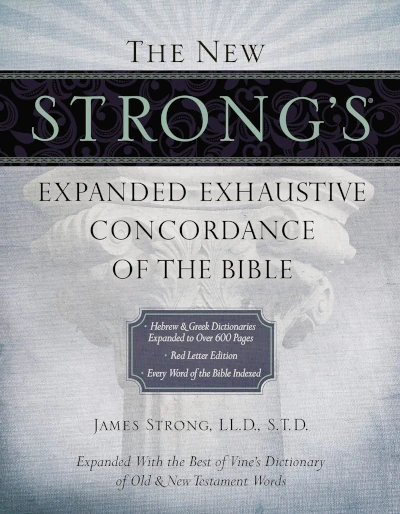
Strong’s Exhaustive Concordance
The New Strong’s Expanded Exhaustive Concordance of the Bible is a valuable tool for pastors, teachers, and students of the Bible. This expanded edition is computer generated for highest accuracy, and the Hebrew and Greek dictionaries have been augmented with definitions from the classic reference work Vine’s Complete Expository Dictionary of Old and New Testament Words.
Writer of the Book of Hosea
The book identifies its author clearly in the opening verse.
“The word of the LORD that came to Hosea, the son of Beeri, in the days of Uzziah, Jotham, Ahaz, and Hezekiah, kings of Judah, and in the days of Jeroboam the son of Joash, king of Israel.” (Hosea 1:1, ESV)
This statement places Hosea firmly within Israel’s prophetic tradition. The prophet presents himself as one who received direct revelation from the Lord.
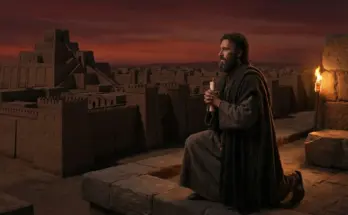
Little is known about Hosea’s family beyond the mention of his father, Beeri. However, the content of the book reveals much about his calling and character. Hosea served primarily as a prophet to the northern kingdom of Israel. Therefore, he spoke directly to the people who were abandoning the covenant.
His life itself became part of the message. God commanded Hosea to marry a woman named Gomer, who later proved unfaithful. This difficult marriage symbolized Israel’s spiritual adultery. Just as Gomer left Hosea, the nation had left the Lord.
Because of this experience, Hosea’s message carries deep emotional weight. His prophecies are not distant warnings. Instead, they flow from personal pain and compassion. The prophet knows what betrayal feels like. Therefore, he can communicate the heartbreak of God in vivid terms.
Hosea also shows remarkable persistence. Despite repeated rejection, he continues to call Israel back to repentance. This faithful ministry reflects the patience and mercy of the Lord Himself.
Through Hosea’s life and words, we see a prophet who understands both judgment and love. His message reminds us that God’s covenant relationship with His people is deeply personal.
Date Written
The ministry of Hosea likely occurred during the eighth century before Christ. The opening verse provides important clues for dating the book.
Hosea served during the reigns of several kings of Judah, including Uzziah, Jotham, Ahaz, and Hezekiah. At the same time, he ministered during the reign of Jeroboam II in the northern kingdom of Israel.
Jeroboam II ruled Israel from approximately 793 to 753 BC. His reign brought political stability and economic prosperity. However, spiritual decline accompanied this outward success. Idolatry and injustice spread widely among the people.
Hosea likely began his ministry near the end of Jeroboam’s reign. He then continued prophesying through the chaotic years that followed. After Jeroboam died, Israel experienced rapid political instability. Several kings were assassinated within a short period.
The book therefore reflects a time of growing national crisis. Assyria was rising as a powerful empire in the region. Eventually, Assyria conquered the northern kingdom in 722 BC.
Hosea’s message comes shortly before this catastrophe. His warnings about judgment clearly anticipate the coming invasion. Therefore, the book must have been written before Israel’s final fall.
Understanding this timing helps us interpret Hosea’s urgency. The prophet calls the nation to repentance while there is still time. However, the people largely ignore his message. As a result, the historical events that follow confirm the truth of his warnings.
To Whom Written
The primary audience of the book of Hosea was the northern kingdom of Israel. This kingdom formed after the nation divided following Solomon’s reign. While Judah remained loyal to the house of David, the northern tribes established their own monarchy.
From the beginning, Israel struggled with idolatry. Jeroboam I introduced golden calves at Bethel and Dan. These shrines encouraged the people to worship in ways that violated God’s law.
By Hosea’s time, the spiritual situation had grown worse. Many Israelites participated in the worship of Baal. This Canaanite deity was associated with fertility rituals and immoral practices. Therefore, religious corruption often led to moral decay.
The people still considered themselves God’s covenant nation. They continued certain religious traditions and festivals. However, their hearts were divided. They attempted to serve both the Lord and the false gods of surrounding cultures.
Hosea addresses this divided loyalty directly. He compares Israel’s idolatry to marital unfaithfulness. Just as adultery destroys trust within a marriage, spiritual adultery breaks the covenant relationship with God.
The audience also faced social problems. Injustice, dishonesty, and violence had become common. Leaders failed to guide the nation toward righteousness. Priests neglected their responsibility to teach God’s law.
Because of these conditions, Hosea’s tone often sounds urgent and confrontational. Yet his message still carries hope. He reminds the people that repentance can restore their relationship with the Lord.
Therefore, Hosea speaks to both the sins and the potential restoration of Israel.

Purpose of the Book of Hosea
The book of Hosea was written to confront Israel’s spiritual unfaithfulness and call the nation back to covenant faithfulness.
At its core, Hosea addresses the problem of idolatry. The people had turned from the Lord to worship other gods. They trusted political alliances and false religion rather than God’s protection.
Through powerful imagery, Hosea reveals the seriousness of this sin. Idolatry is not simply religious error. Instead, it represents betrayal within a covenant relationship.
One key passage summarizes the heart of the book.
“For I desire steadfast love and not sacrifice, the knowledge of God rather than burnt offerings.” (Hosea 6:6, ESV)
This verse exposes the main issue. Israel continued religious rituals, but their hearts lacked genuine devotion. God desired faithful love and true knowledge of Him, not empty ceremony.
Another important statement appears later in the book.
“Return, O Israel, to the LORD your God, for you have stumbled because of your iniquity.” (Hosea 14:1, ESV)
Here the prophet clearly calls the nation to repentance. The goal of Hosea’s message is restoration, not destruction. God announces judgment because sin cannot be ignored. However, His ultimate desire is to heal and forgive.
The book therefore balances warning and hope. It exposes sin while pointing toward redemption.
Hosea expects the people to respond with repentance and renewed faithfulness. The prophet urges them to abandon idols and return to the Lord. If they do so, God promises mercy and restoration.
Through this message, Hosea reveals both the seriousness of sin and the depth of God’s covenant love.
Book of Hosea: Historical Context
The historical background of Hosea includes both political instability and spiritual decline.
During the eighth century BC, the Assyrian Empire expanded rapidly across the ancient Near East. This powerful empire threatened many smaller nations, including Israel and Judah.
At first, Israel enjoyed a period of prosperity under Jeroboam II. Trade flourished, and the nation experienced economic growth. However, prosperity did not lead to spiritual renewal. Instead, it encouraged pride and complacency.
After Jeroboam’s death, the kingdom entered a period of chaos. Several kings ruled for very short periods. Many came to power through violence and assassination. This instability weakened the nation politically and morally.
Meanwhile, Assyria continued expanding its influence. Israel sometimes attempted to form alliances with neighboring nations to resist Assyrian power. Hosea strongly criticizes these political strategies. The prophet insists that Israel should trust the Lord rather than foreign alliances.
Religiously, the nation had embraced a mixture of beliefs. Worship of Baal became widespread. Many Israelites attempted to combine Baal worship with devotion to the Lord. This blending of religions created confusion about the true nature of God.
Canaanite religious practices also involved immoral rituals. These practices influenced Israel’s moral behavior. As a result, the nation experienced widespread corruption.
Against this background, Hosea delivers his message. He exposes both the political foolishness and spiritual unfaithfulness of the nation. His warnings prepare the people for the coming Assyrian invasion.
Book of Hosea: Key Themes
Several important themes run throughout the book of Hosea.
One major theme is covenant love. The Hebrew word often translated “steadfast love” is hesed. This term refers to loyal, covenant commitment. Hosea repeatedly emphasizes that God remains faithful even when His people are not.
Another central theme is spiritual adultery. The prophet compares idolatry to marital unfaithfulness. This imagery highlights the personal nature of Israel’s relationship with God. When the nation worships other gods, it betrays that relationship.
Repentance also appears frequently. Hosea calls the people to turn back to the Lord. Genuine repentance involves more than ritual behavior. It requires a changed heart and renewed obedience.
The book also emphasizes the knowledge of God. Hosea criticizes the nation because they lack true understanding of the Lord.
“My people are destroyed for lack of knowledge; because you have rejected knowledge, I reject you from being a priest to me.” (Hosea 4:6, ESV)
Here the prophet shows that spiritual ignorance leads to destruction. Knowing God involves both understanding His truth and living according to His commands.
Judgment and restoration form another important theme. Hosea warns that Israel will face consequences for its sin. However, he also promises that God will eventually restore His people.
Finally, the book highlights God’s mercy. Even while announcing judgment, the Lord expresses compassion.
“How can I give you up, O Ephraim? How can I hand you over, O Israel?” (Hosea 11:8, ESV)
This verse reveals the heart of God. His justice demands judgment, yet His love longs to restore His people.
Book of Hosea: Major Events/Stories
The book of Hosea unfolds through several major sections that move the message forward.
The opening chapters describe Hosea’s marriage to Gomer. God commands the prophet to marry a woman who will become unfaithful. This marriage serves as a living illustration of Israel’s relationship with the Lord.
Gomer eventually leaves Hosea and pursues other lovers. Her actions represent Israel’s pursuit of false gods. Despite her betrayal, Hosea later redeems her and restores the marriage. This redemption reflects God’s willingness to restore His people.
The names of Hosea’s children also carry symbolic meaning. Each name communicates a message of judgment or restoration for Israel.
After these opening chapters, the book shifts toward prophetic speeches. Hosea accuses the nation of idolatry, injustice, and political foolishness. He calls priests, kings, and ordinary people to account for their actions.
Several sections describe the coming judgment. The prophet warns that foreign nations will invade the land. These warnings anticipate the Assyrian conquest of Israel.
Yet the book also includes powerful promises of restoration. Hosea declares that God will one day heal His people and renew the covenant.
“I will heal their apostasy; I will love them freely, for my anger has turned from them.” (Hosea 14:4, ESV)
This promise concludes the book with hope. Even after severe judgment, God remains committed to restoring His people.

Fill Your Home with Praise to God
Celebrate His presence daily with a beautiful wall decal that reminds you and your family to lift your voices in worship.Bring Scripture to life in your home with a wall decal that encourages constant praise and joyful reminders of His goodness.
Book of Hosea: Theological Contributions
The book of Hosea makes several important contributions to biblical theology.
First, it reveals the depth of God’s covenant love. The Lord does not treat His people as distant subjects. Instead, He relates to them as a faithful husband to an unfaithful spouse. This image communicates both intimacy and commitment.
Second, Hosea emphasizes the seriousness of sin. Idolatry is not merely religious error. It represents betrayal within a covenant relationship. Therefore, sin damages the relationship between God and His people.
The book also reveals the tension between divine justice and mercy. God cannot ignore sin because His character is righteous. However, He also desires to forgive and restore.
Hosea’s message therefore prepares readers for the gospel. In the New Testament, Christ provides the ultimate solution to this tension. Through Jesus, God deals with sin while offering forgiveness and reconciliation.
Another theological contribution involves the concept of redemption. Hosea’s redemption of Gomer illustrates the idea of purchasing someone back from bondage. This concept later becomes central to the New Testament understanding of salvation.
The book also emphasizes the importance of knowing God. True faith involves more than religious activity. It requires a personal relationship with the Lord based on truth and obedience.
Finally, Hosea contributes to covenant theology by highlighting both the blessings and responsibilities of the covenant relationship.
Book of Hosea: Special Consideration
Several aspects of Hosea require careful interpretation.
First, the symbolic nature of Hosea’s marriage raises questions. Some readers wonder whether the marriage was literal or purely symbolic. Most interpreters conclude that Hosea actually married Gomer. This real-life experience strengthens the emotional power of the message.
Another challenge involves the use of figurative language. Hosea frequently uses poetic imagery and symbolic expressions. Readers must recognize these literary forms to understand the text correctly.
Cultural practices also require explanation. The fertility worship associated with Baal involved rituals that may seem strange to modern readers. Understanding these practices helps explain why the prophets condemned them so strongly.
Some passages also contain prophetic elements that point beyond Hosea’s immediate context. For example, the restoration promises sometimes look forward to a future renewal of God’s people.
One well-known example appears in Hosea 11.
“When Israel was a child, I loved him, and out of Egypt I called my son.” (Hosea 11:1, ESV)
Matthew later applies this verse to Jesus (Matthew 2:15). This connection shows how Hosea’s message fits into the larger story of redemption.
Readers should also avoid misunderstanding the book’s message about judgment. Hosea does not present God as cruel or inconsistent. Instead, the prophet shows that divine judgment flows from holiness and justice.
At the same time, mercy remains central to the book.
Closing Reflections
The book of Hosea delivers a powerful message about the relationship between God and His people. Through the prophet’s life and words, we see both the seriousness of sin and the depth of divine love.
The central tension of the book arises from Israel’s unfaithfulness. The nation repeatedly turns away from the Lord and pursues other gods. As a result, judgment becomes unavoidable.
Yet the story does not end with judgment. Hosea repeatedly points toward restoration. God continues to call His people back to Himself. His covenant love remains stronger than their rebellion.
For believers today, Hosea offers an important reminder. Religious activity alone cannot replace genuine devotion to God. The Lord desires steadfast love, faithful obedience, and true knowledge of Him.
The book also points forward to Christ. Just as Hosea redeemed Gomer, Jesus redeems sinners through His sacrifice. The gospel reveals the fullest expression of God’s faithful love.
Therefore, the message of Hosea remains deeply relevant. It calls us to examine our hearts and return to the Lord with sincerity.
When we do, we discover that God’s mercy is greater than our failure.
Discover More in Bible Study Toolbox
Looking for more? Explore additional Old Testament Bible Outlines to see how God’s Word fits together chapter by chapter. Each outline is part of the resources available at Bible Study Toolbox, where we provide studies, guides, and tools to help believers grow in the Word with clarity and confidence. Contact us with any questions or concerns.