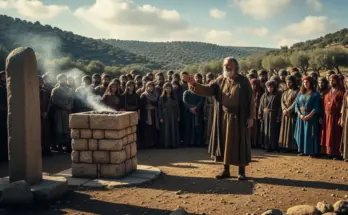
Few prophetic visions capture the imagination like the valley of dry bones. In Ezekiel 37, God brings the prophet into a valley filled with bones, very dry and scattered. The image feels bleak, yet the message pulses with hope. This chapter addresses national despair, covenant failure, and God’s power to restore what appears beyond life. The primary keyword, valley of dry bones, belongs here because the passage itself centers on death-like exile and promised renewal.
Ezekiel spoke to Israelites who lived far from Jerusalem, removed from the temple, and cut off from their land. They felt abandoned and finished. God met them with a vision that spoke directly to their condition. Scripture often speaks to near events while carrying lasting meaning. This study approaches Ezekiel 37 with that biblical pattern in mind.
We will read the chapter as a promise of restoration rooted in Israel’s history and covenant. We will also consider how later Scripture confirms fulfillment within redemptive history. Our focus remains on biblical fulfillment, not modern speculation. When we read carefully, we find a message that strengthened first-century believers and still grounds Christian hope today.
Audience and Time Frame in Scripture
Ezekiel addressed Israelites living in exile during the sixth century BC. Babylon had destroyed Jerusalem, burned the temple, and scattered the people. These exiles believed their national life had ended. Ezekiel 37:11 captures their voice clearly: “Our bones are dried up, and our hope is lost; we are indeed cut off” (ESV). God spoke to a people who felt finished.
Although Ezekiel spoke centuries before Jesus, the New Testament repeatedly draws on this restoration language. Jesus and the apostles addressed first-century Jews who faced covenant crisis again. Jerusalem stood under judgment, the temple faced destruction, and many wondered whether God had abandoned His promises. Scripture often uses time markers like “near” and “soon” when addressing that generation. Audience relevance matters because God spoke to real people facing real judgment and real hope.
First-century believers read Ezekiel through the lens of Christ’s work. They understood restoration not as political revival but as covenant renewal through the Messiah. When Scripture addresses restoration, it speaks to those who live within the unfolding story of redemption. Understanding that audience keeps us anchored to the text’s intent.
Biblical Context and Old Testament Background
Ezekiel 37 flows from a long line of covenant warnings and promises. Moses warned Israel that exile would follow persistent rebellion. Yet he also promised restoration if God renewed their hearts (Deuteronomy 30:1–6, ESV). The prophets echoed that pattern. Judgment would come, but God would not abandon His covenant.
Prophetic language often works symbolically. Bones represent death and hopelessness. Breath represents God’s life-giving Spirit. Ezekiel uses vivid imagery because the situation demanded it. God did not give Ezekiel a timeline. He gave him a picture of covenant reversal.
The text makes its meaning explicit. God says, “These bones are the whole house of Israel” (Ezekiel 37:11, ESV). The vision does not describe individual resurrection at the end of history. It describes national restoration from covenant death. God promises to open graves, bring Israel into the land, and place His Spirit within them.
This language matches earlier promises in Ezekiel. God vowed to give His people a new heart and a new spirit (Ezekiel 36:26–27, ESV). Restoration involved obedience, worship, and covenant faithfulness. The valley of dry bones vision continues that theme with dramatic force.
Fulfillment in Redemptive History
Ezekiel 37 finds fulfillment within the unfolding story of redemption. The immediate horizon includes Israel’s return from exile. God restored the people to the land, rebuilt Jerusalem, and renewed temple worship. Yet that return did not exhaust the promise. Israel remained divided, occupied, and spiritually fractured.
The New Testament reveals deeper fulfillment. Jesus gathered the remnant of Israel and announced the kingdom of God. He spoke of restoration, forgiveness, and new life through His death and resurrection. The apostles preached to Israel first because the promises belonged to them (Acts 3:25–26, ESV).
The destruction of Jerusalem in AD 70 marked the definitive end of the Old Covenant age. God judged the city that rejected His Son and vindicated Christ’s authority. Through that judgment, God established the New Covenant fully and publicly. The people of God no longer centered on temple, land, or ethnicity. God formed a renewed people through the Spirit.
Ezekiel’s promise of Spirit-filled life reached its climax at Pentecost. God breathed life into His people through the Holy Spirit. The scattered bones became a living body. This fulfillment displays God’s faithfulness to His word. He did exactly what He promised, within history, before the watching world.
Ongoing Significance for Believers Today
Fulfilled prophecy does not drain Scripture of meaning. It strengthens confidence in God’s promises. When we see God keep His word, our faith rests on solid ground. Ezekiel 37 assures us that God restores what sin destroys.
The passage also clarifies what continues and what does not. National Israel’s restoration does not promise modern political revival. The Old Covenant system reached its end. Sacrifices, priesthood, and temple shadows gave way to Christ’s finished work.
Yet Scripture still teaches future hope. God promises bodily resurrection, final judgment, and eternal life. These truths rest on clear teaching, not symbolic national imagery. Ezekiel 37 does not replace that hope. It prepares us to trust God’s power to bring life from death.
Christ remains the center. He fulfills the covenant promises. He gathers God’s people. He guarantees resurrection life. When we read Ezekiel rightly, we see a God who keeps His word across generations.
Addressing Common Misunderstandings
Many readers assume Ezekiel 37 predicts a future mass resurrection or modern geopolitical events. That assumption often ignores the text’s own explanation. God identifies the bones as the house of Israel. He explains their despair and promises restoration.
Partial preterism does not deny future hope. It affirms that God fulfilled many prophecies within history, just as Scripture said He would. This approach honors time markers and audience relevance. It also preserves the integrity of Christ’s words about judgment and vindication.
We do not need to attack other views to read the text faithfully. Scripture invites us to listen carefully. When we do, Ezekiel 37 speaks clearly about covenant renewal and restored identity. It calls us to trust God’s faithfulness rather than chase speculation.
Closing Reflection on Valley of Dry Bones
The valley of dry bones in Ezekiel 37 presents a powerful vision of restoration rooted in covenant faithfulness. God spoke to a broken people and promised life where death seemed final. The valley of dry bones symbolized Israel’s national despair and God’s commitment to renew His people. History confirms that fulfillment unfolded through Christ, the New Covenant, and the judgment that ended the old age.
This passage assures us that God keeps His promises within real history. It also anchors our hope in Christ, not in timelines or speculation. When God breathes life, nothing remains dead. Scripture stands reliable, clear, and fulfilled. We rest in that confidence as we look forward to the resurrection life God still promises in Jesus.
Discover More in Bible Study Toolbox
Want to study further? Explore our full Eschatology resources at Bible Study Toolbox, where we connect prophecy, Scripture, and history to show how God’s plan unfolds. Each study and outline is designed to help believers grow in understanding and live with confidence in Christ’s promises. Contact us if you need us!